Painting the exterior of your home is one of the most effective ways to protect your property and enhance its visual appeal. Not only does a well-executed paint job elevate your home’s curb appeal, but it also provides essential protection against the harsh elements, moisture damage, and wear over time.
If you’re planning on painting the outside of your house, this comprehensive guide will take you through every step of the process, from initial planning to the final inspection, whether you decide to tackle the task yourself or hire professional house painters in Hobart. By the end of this post, you’ll understand how to paint your exterior like a pro and achieve long-lasting, beautiful results.
Why Exterior Painting Is More Than Just a Visual Upgrade
While painting the exterior of a house significantly boosts its aesthetic appeal, its actual value lies in the protection it offers to your home. Here’s why exterior painting is so crucial:
Protection from Weather and Moisture
The exterior of your home is constantly exposed to the elements — sun, wind, rain, and extreme temperatures. Over time, these factors can cause the surface to crack, peel, and even lead to moisture infiltration, which can cause long-term structural damage. Exterior painting acts as a barrier that protects your house from these weather-related issues. With the right paint, you can prevent moisture penetration, which in turn prevents cracking, mould growth, and deterioration.
Increased Property Value
A freshly painted exterior makes your home look well-maintained and can significantly increase its market value. Whether you are planning to sell or just want to maintain your property’s worth, painting home exterior surfaces improves buyer appeal. Properties with well-finished and clean exteriors tend to sell faster and at a higher price.
Prevention of Long-Term Damage
When paint begins to crack or peel, it exposes underlying surfaces to moisture, which can lead to severe problems like rot, rust, and mould. By keeping your home’s exterior painted, you can prevent these issues early and avoid costly repairs down the line.
Step 1: Planning the Exterior Painting Project Properly
Before you begin painting, proper planning is key to ensuring your project goes smoothly. Neglecting this step often leads to delays, wasted materials, and disappointing results. Here’s how to plan:
Inspect the Entire Property
Start by walking around your house and assessing every exterior surface. Look for peeling paint, cracks, mildew, water stains, and any damage around windows and doors. Document the areas that need attention and make a note of the surface types (e.g., brick, timber cladding) to ensure you choose the correct preparation method and paint.
Understand Surface Types
Different surfaces react differently to paint and weather. You may encounter:
- Render or masonry surfaces, which require specific masonry primers.
- Timber cladding needs special treatment to prevent moisture damage.
- Brick surfaces that may need sealants to prevent moisture penetration.
- Fibre cement and weatherboard, each requiring particular paint finishes and primers.
Choosing the Right Time to Paint
Weather plays a crucial role in successful exterior painting. The best time to paint is when there’s dry weather, mild temperatures, and low humidity. Avoid painting during extreme weather conditions such as heavy rain, intense heat, or cold, as these can cause paint to fail prematurely.
Step 2: Surface Preparation: The Most Critical Stage
No matter how high-quality your paint is, poor surface preparation will result in a poor outcome. This step involves cleaning, repairing, and smoothing the surfaces to ensure paint adheres properly.
Cleaning the Exterior
Remove all dirt, dust, grime, and mould from the surfaces. You can use a pressure washer for large areas, or manually scrub delicate surfaces. For mildew or mould, use a specialised cleaning solution to remove it effectively and prevent regrowth under the paint.
Repairing Damage
Address cracks, holes, and other damaged areas with appropriate fillers. Timber rot must be replaced, and any loose or flaking paint should be removed before applying new layers. Repairing these issues ensures that the paint bonds correctly and lasts longer.
Sanding for Smoothness
Sanding smooths rough patches and edges, allowing the paint to adhere evenly and creating a flawless finish. Sanding also ensures that you don’t have visible imperfections or an uneven paint job later on.
Step 3: Priming: The Foundation of a Long-Lasting Paint Job
Primer is an essential step in achieving a high-quality, durable paint job. It serves as the base for your paint, helping it stick better and last longer.
Why Primer Matters
Primer seals porous surfaces, blocks stains, and provides a solid foundation for the paint to bond. Skipping this step may result in uneven colouring, peeling, and premature wear.
Choosing the Right Primer
Choose a primer based on your surface type:
- Masonry primer for brick or concrete surfaces.
- Timber primer for wooden surfaces.
- Stain-blocking primer for surfaces with water or smoke stains.
- Bonding primer for previously painted or glossy surfaces.
Using the right primer increases the durability of your paint and ensures a consistent, long-lasting finish.
Step 4: Select the Right Exterior Paint
Not all paints are created equal, especially when it comes to outdoor conditions. Selecting the right paint directly impacts the longevity and appearance of your exterior house painting project.
Key Features to Look For
When choosing your paint, consider these features:
- Weather resistance: Ensures the paint can withstand the elements.
- UV protection: Protects the paint from fading in the sun.
- Flexibility: Enables the paint to expand and shrink with temperature fluctuations without breaking or cracking.
- Mould and mildew resistance: Prevents growth on painted surfaces.
High-quality acrylic paints are generally recommended for painting the exterior of a house because of their durability and excellent colour retention.
Understand Paint Finishes
Paint finishes not only affect the look but also the maintenance requirements:
- Flat or matte: Best for hiding imperfections but prone to stains.
- Low-sheen or satin: A good balance of appearance and easy cleaning.
- Semi-gloss: Ideal for trim and doors, offering both durability and shine.
- Gloss: Highly durable but highlights surface imperfections.
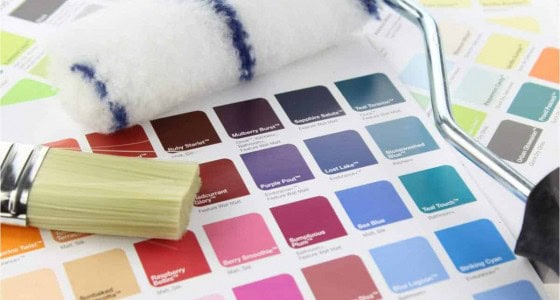
Step 5: Choosing the Right Colours for Your Home
Colour is arguably the most influential aspect of exterior painting. It defines your home’s character and significantly impacts curb appeal. Here’s how to make an informed choice:
Factors to Consider
When selecting a colour, consider the following:
- The architectural style of your home.
- The surrounding environment and landscape.
- The roof colour and other fixed features.
- The aesthetic of your neighbourhood.
Neutral tones tend to work well for most homes, but don’t be afraid to use bolder colours for accents or trim.
Testing Colours Before Final Selection
Always test a few sample patches on different parts of the house. The appearance of colours can change depending on the lighting at different times of the day, so it’s essential to see how they look in natural sunlight.
Step 6: Proper Painting Techniques for Lasting Results
The way you apply the paint is just as important as the preparation and paint selection.
Spraying and Back Rolling
Many professionals use a spray and back roll technique. Spraying ensures an even application, while back-rolling distributes the paint and enhances adhesion.
Brush Work for Precision
For edges, corners, and trim, use a brush to ensure precision and clean lines. This method gives you control and helps achieve a sharp, professional finish.
Applying Multiple Coats
For most surfaces, at least two coats of paint are required. Each coat should be allowed to dry completely before the next is applied to avoid peeling or blistering.
Step 7: Final Inspection and Detailing
After the painting is done, a thorough inspection is necessary to ensure everything looks perfect.
Check for:
- Missed spots or uneven coverage
- Drips or roller marks
- Clean edges around windows, doors, and trims
Touch up any areas that need attention before considering the job complete.
Why Hiring Professional House Painters in Hobart Makes a Difference
While DIY painting can be a tempting option, hiring painters in Hobart brings several advantages that can save you time, effort and ensure professional results.
Benefits of Hiring Professionals
- Proper surface preparation ensures the paint lasts longer
- High-quality materials that offer better protection and durability
- Safe work practices, especially for hard-to-reach areas
- Consistent, long-lasting results that increase the home’s value
How Often Should You Repaint Your Home Exterior?
The lifespan of your paint job varies depending on several factors, like the type of surface, the climate, and how well it’s maintained. On average:
- Timber surfaces: Repaint every 7–10 years
- Masonry or rendered surfaces: Repaint every 10–15 years
- Coastal areas: Repainting may be required more frequently due to the salty air
Final Thoughts
Painting your home’s exterior is a valuable investment that not only enhances your home’s appearance but also provides long-term protection. Whether you are considering a DIY approach or hiring house painters in Hobart, understanding each step of the process ensures a successful project and lasting results.
If you’re ready to refresh or repaint your home’s exterior, partnering with skilled professionals guarantees the best outcomes. Choose quality, professional services for a paint job that lasts for years to come.
Frequently Asked Questions
1. What are the signs that my home needs a fresh exterior coat of paint?
If you notice peeling, fading, or cracking paint, it’s time to repaint your home. Additionally, the presence of mould, mildew, or moisture spots on the exterior surfaces is a clear sign that the paint has worn down and is no longer providing proper protection.
2. Can I paint my house’s exterior during winter?
It’s best to avoid painting during extreme cold, as paint may not adhere well and could dry improperly. The ideal temperature for exterior painting is between 50°F (10°C) and 85°F (29°C), with dry weather conditions.
3. How long does it take for exterior paint to dry before applying the second coat?
The drying time between coats usually ranges from 4 to 6 hours, depending on weather conditions, the type of paint used, and the surface material. Always ensure the first coat is completely dry before applying the second coat to avoid issues like peeling or blistering.
4. Can I use the same paint for all surfaces on my home’s exterior?
No, different materials require specific types of paint. For example, masonry surfaces need a masonry primer and paint, while timber cladding requires a timber-specific paint. Always choose the correct paint to ensure durability and proper adhesion.
5. How do I know if I need to hire professional house painters in Hobart?
If the exterior painting project feels overwhelming, involves difficult-to-reach areas, or requires extensive surface preparation, hiring professional house painters in Hobart can ensure a flawless finish and save you time and effort. Their expertise also helps in choosing the right materials for lasting results.
6. How do I maintain my home’s exterior paint after it’s applied?
To maintain your exterior paint, regularly clean the surfaces to remove dirt and debris. Inspect for any signs of wear, like peeling or cracking, and address them promptly. Repainting or touching up every 5 to 7 years will help keep your home looking fresh and protected.
Get Expert Help from the Best House Painters in Hobart!
When it comes to painting the exterior of your home, don’t settle for anything less than the best. At Dyson Painters, our house painters in Hobart bring years of experience and a commitment to excellence to every project. Our team of professional painters ensures your home’s exterior is not only beautifully painted but also protected from the elements for years to come.
Whether you’re looking to refresh your current look, repair weathered surfaces, or give your home a complete transformation, our painters are ready to deliver flawless results. We understand the local climate and know the best techniques and materials to use, ensuring long-lasting protection against harsh weather conditions.
Don’t risk the quality of your home’s exterior. Trust the experts who care about your property as much as you do. Connect with us for a free consultation and get started on your home’s transformation. With our attention to detail, professional approach, and high-quality finishes, you’ll be proud of your newly painted home for years to come.
Call now at 0420 213 214 or email us at admin@dysonpainters.com.au to book your appointment with the most trusted painters in Hobart and experience top-notch service from start to finish!